In-house tooling production
Tooling manufacturing and repair
We design and manufacture molds and stamping dies. Extrusion dies and tooling components are made to the customer’s completed design documentation. Our tooling facility handles machining, assembly and setup.
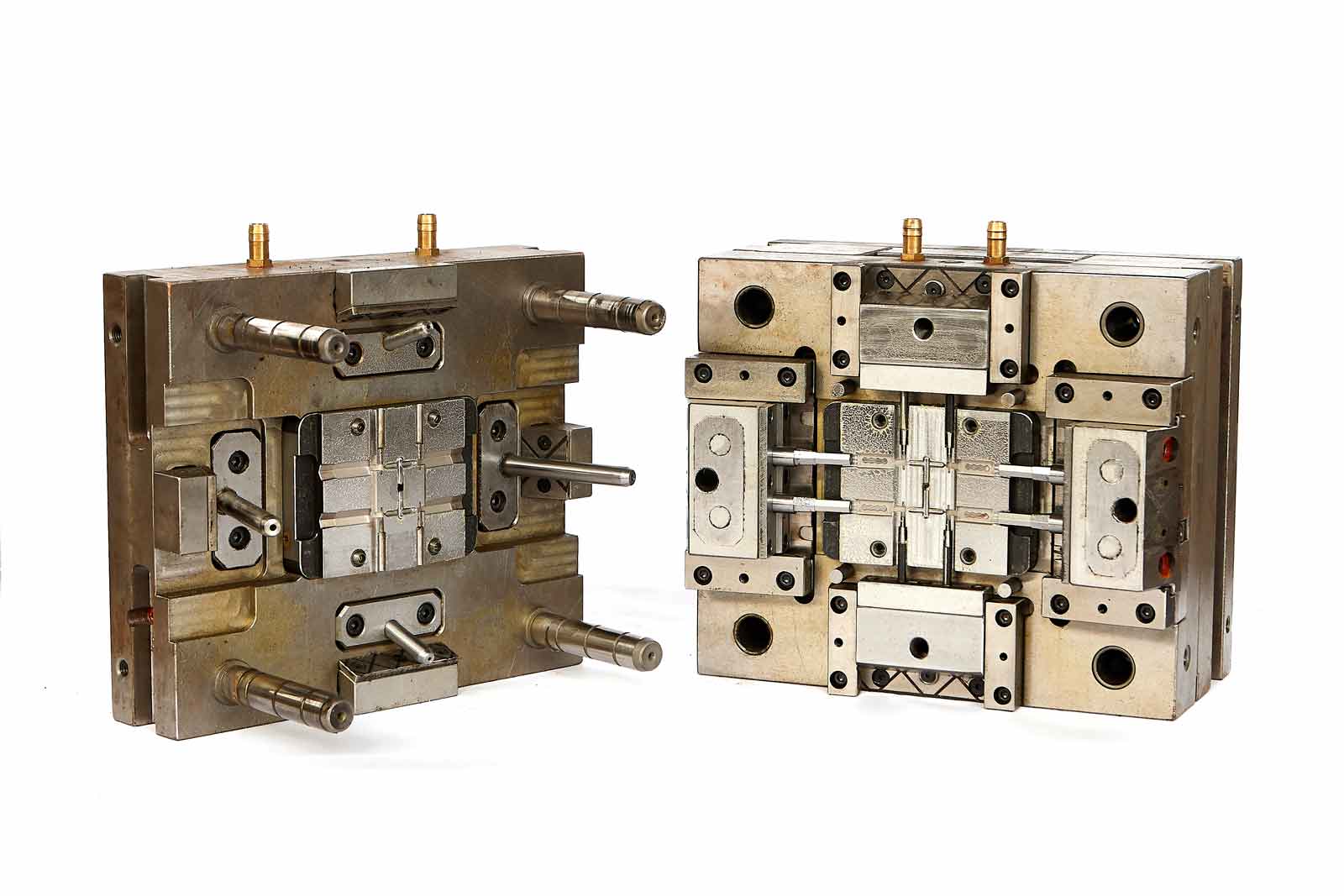
Engineering department
Design development and technical documentation
In-house production
CNC machining, EDM and grinding
Assembly and testing
Tooling setup and testing on compatible equipment
Tooling for your production requirements
Three core areas of tooling manufacturing. We define the scope of work and manufacturing process according to the tooling type and the customer’s technical requirements.
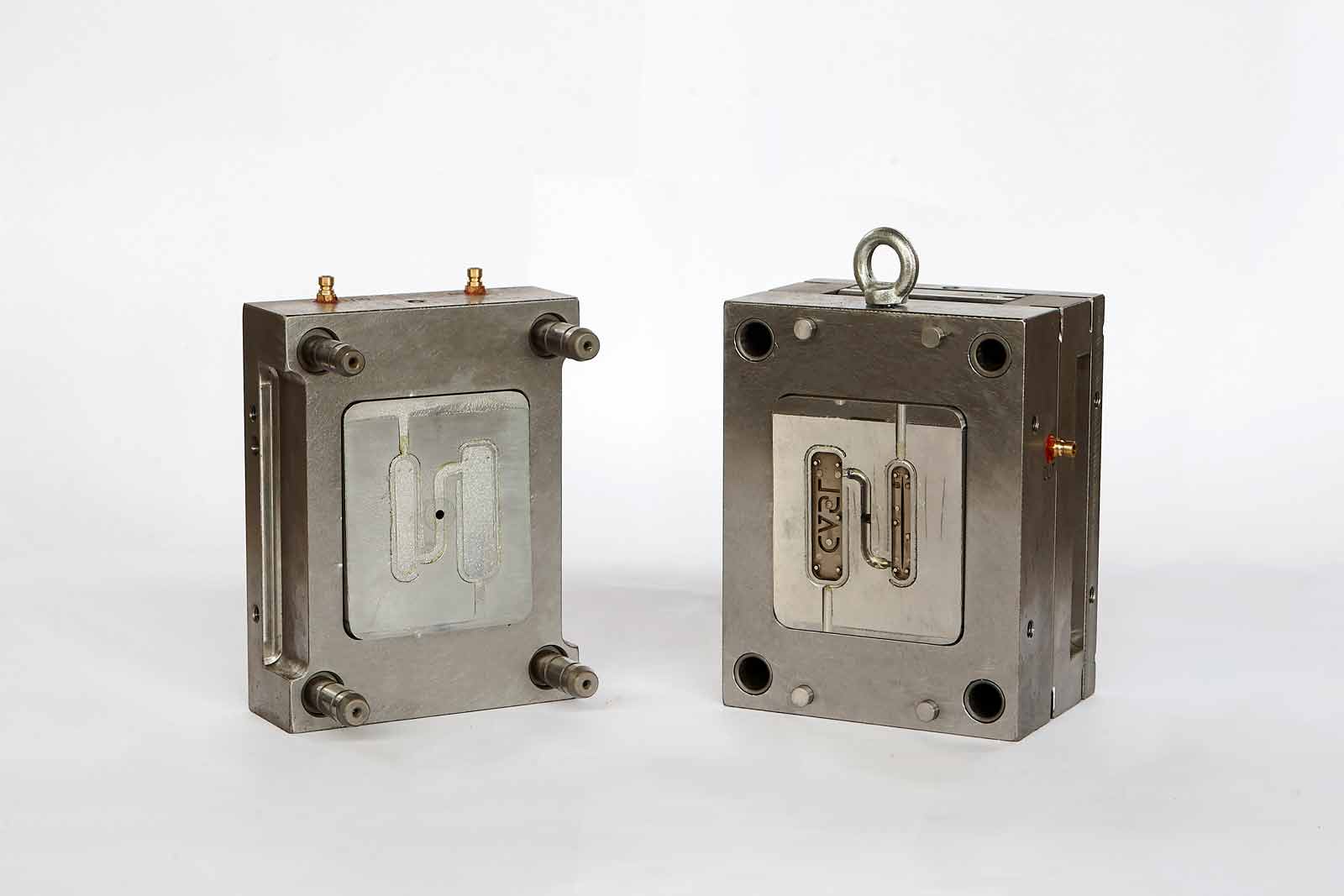
Molds
For plastic injection molding, direct compression and MIM. Design, manufacture of cavity components, assembly and setup.
Mold manufacturing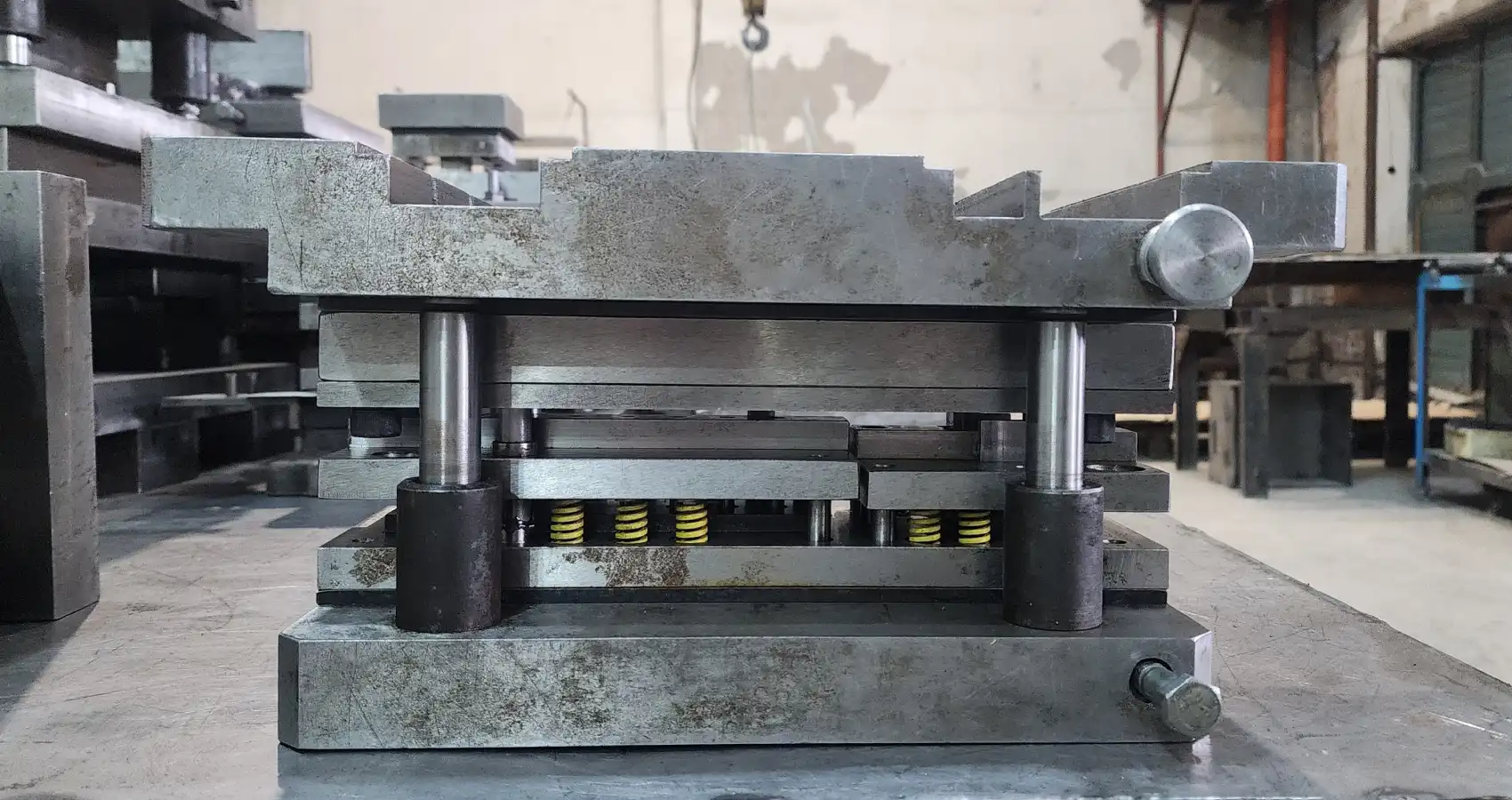
Stamping dies
For blanking, punching, bending and forming sheet metal. We develop tooling around the press specifications and planned production volume.
Stamping die manufacturing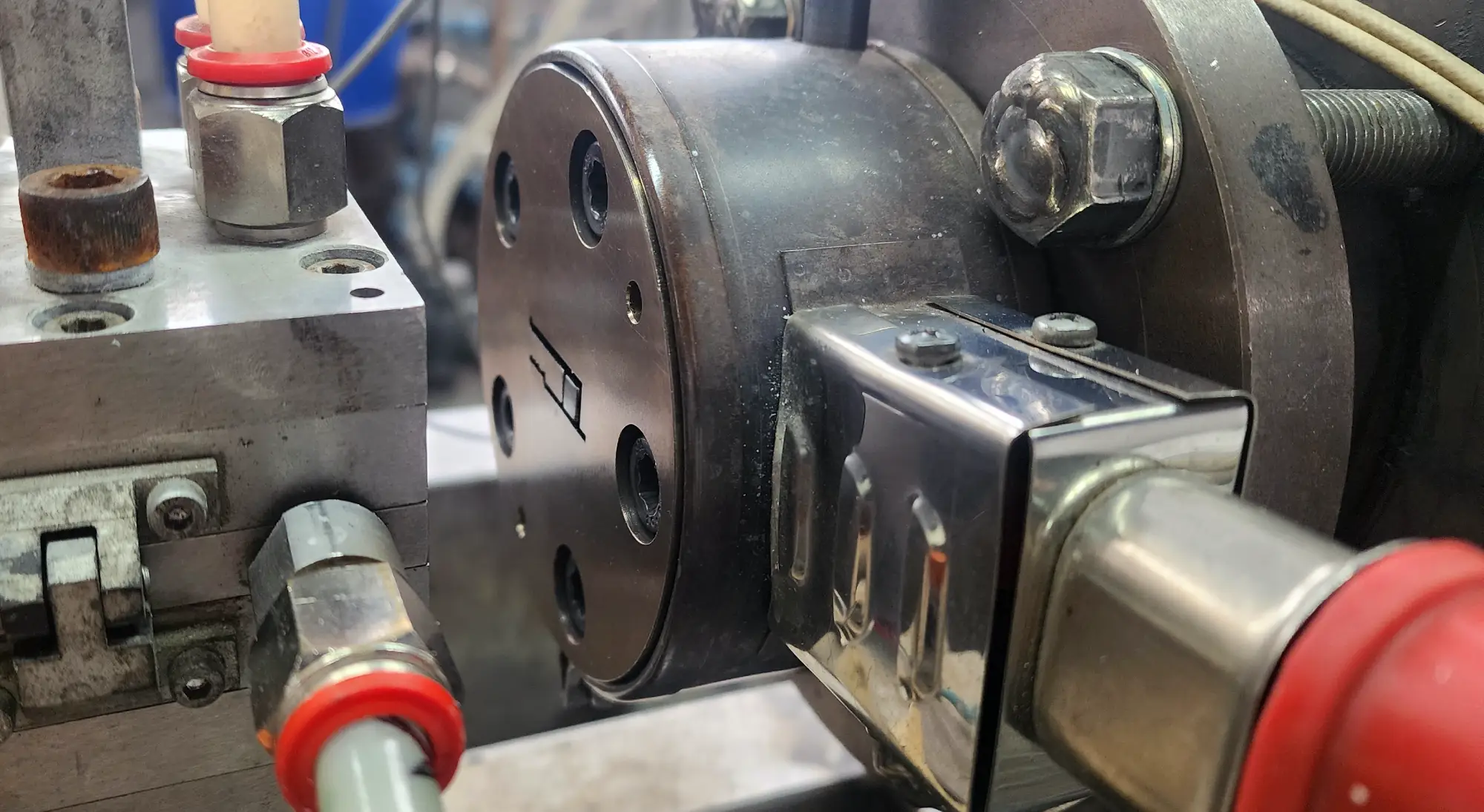
Extrusion dies
Extrusion dies and tooling components made to the customer’s completed design documentation. Mechanical machining, EDM and finishing to the specified technical requirements.
Extrusion die manufacturing
Manufacturing capabilities
We bring engineering and multiple machining technologies together in one manufacturing process.
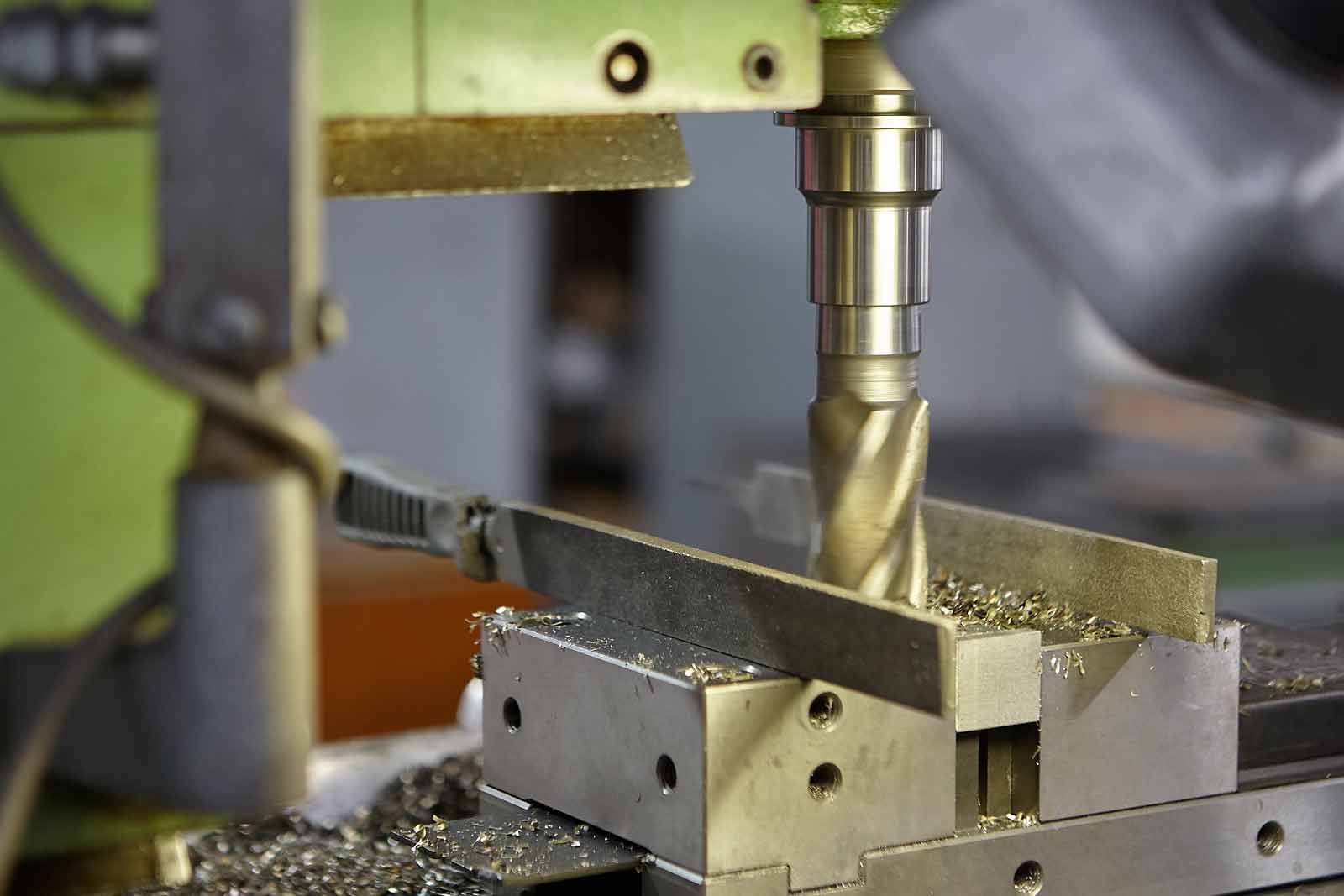
From raw material to assembled tooling
We manufacture plates, inserts, cavity components and mechanisms. Materials, machining requirements and the sequence of operations are determined for each design.
- CNC turning and milling
- Electrical discharge machining
- Grinding and finishing
- Heat treatment to suit the component
- Assembly and fitting
- Setup and mechanism checks
Examples of manufactured tooling
Molds, stamping dies and extrusion dies made at our facility. Select a category and open a photograph to explore the details.
1 of 11
Tooling repair and modification
Alongside new tooling, we repair molds, stamping dies and individual tooling components.
- Manufacture and replacement of worn inserts, punches and die blocks
- Restoration of working surfaces through machining and finishing
- Modification of individual assemblies, assembly and setup
Feasibility and scope are determined after assessing the tooling’s condition. For an initial review, send a description of the issue, photographs and any available documentation.
How we manufacture tooling
We agree on the part and equipment requirements before developing the design and manufacturing process.
Initial information
We review drawings, a 3D model, a sample or technical specifications, and clarify the material, production volume and equipment requirements.
Engineering
Where required, we develop the design and documentation, and agree on the main technical solutions with the customer.
Process planning
We select materials and components, define the machining sequence and establish the parameters to be inspected.
Component manufacturing
We carry out machining, EDM and other operations specified by the manufacturing process.
Assembly and setup
We fit the components, assemble the tooling and check how its mechanisms work together.
Inspection and delivery
We verify compliance with the agreed requirements, test where technically feasible and deliver the tooling to the customer.
Quality control and production readiness
We inspect components and assembled tooling against the design documentation and agreed technical requirements.
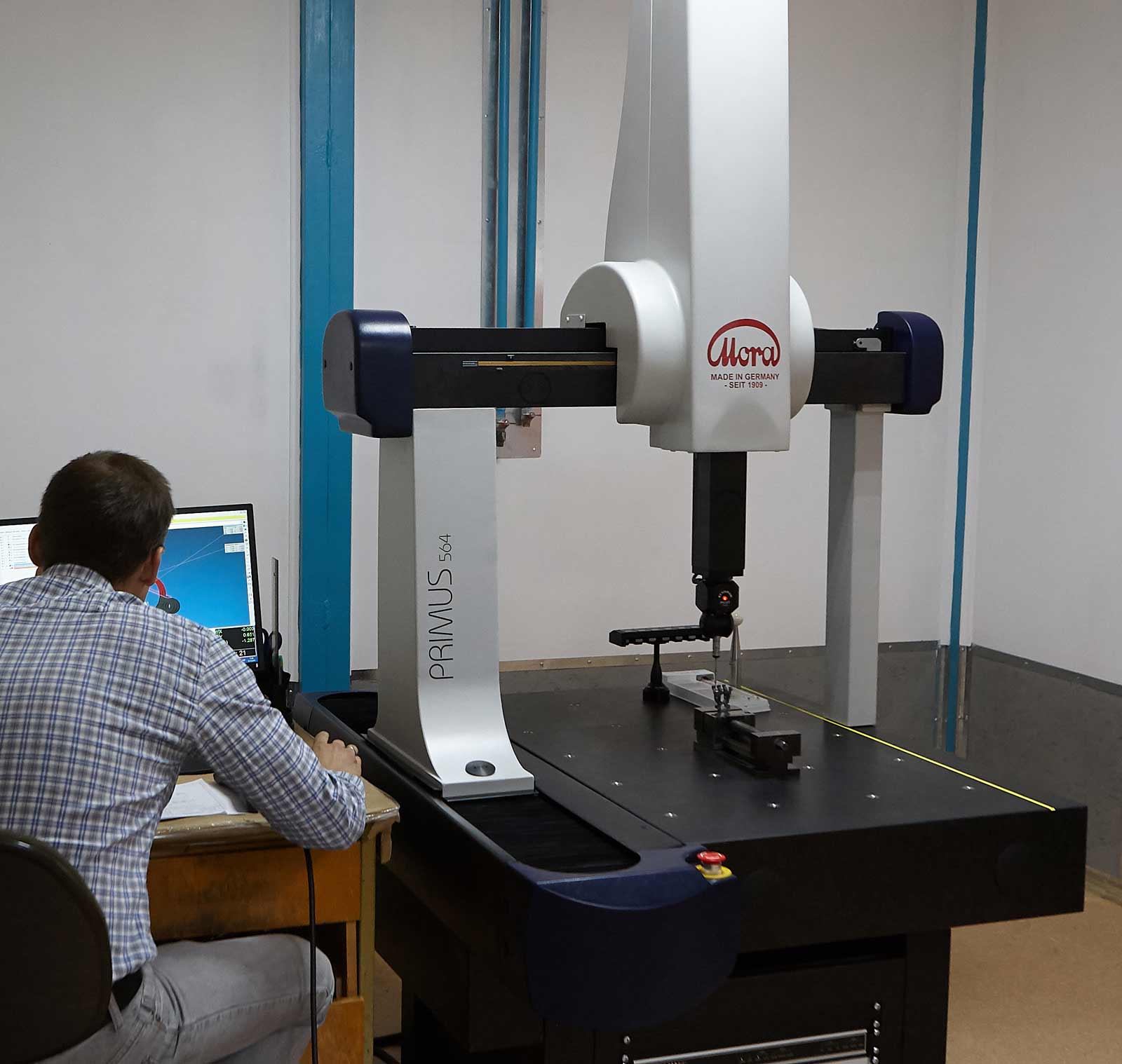
Dimensional and geometry inspection
Our quality control department inspects manufactured components. Geometry checks include measurement with MORA coordinate measuring equipment.
Testing at our production facility
We operate plastic injection molding, direct compression and sheet metal stamping facilities. Testing depends on the tooling type and compatibility with our equipment.
Technical documentation
We supply an assembly drawing, operation sketch and tooling passport. Additional documentation and the scope of support are agreed when ordering.
Quality management system
Our facility operates an ISO 9001:2015 certified quality management system. Certification was carried out by TÜV Thüringen.
Frequently asked questions
What is needed for a tooling quotation?
For an initial review, we need drawings, a 3D model, a sample or technical specifications. The part material, planned production volume and equipment specifications are also important. Cost depends on the design, dimensions, materials, components and scope of work.
What are the lead times for tooling?
Lead time depends on the tooling type and complexity, availability of materials and components, and production workload. We determine the manufacturing schedule after the technical review and agree it with the customer.
Can tooling be tested at your facility?
Yes, if it is compatible with our plastic injection molding, direct compression or sheet metal stamping equipment. Feasibility, conditions and the scope of testing are agreed for each project.
What warranty do you provide on manufactured tooling?
Warranty terms are recorded in the contract and accompanying documentation. The warranty is typically 12 months or an agreed number of operating cycles; specific terms are defined when preparing the quotation.
Do you repair molds and stamping dies?
Yes, we consider repairs, replacement of worn components and modification of individual assemblies. Feasibility and scope depend on an assessment of the tooling’s condition. You can send an initial request with a description of the issue, photographs and available drawings; technical documentation and an inspection of the tooling may be needed for a detailed review.
Let’s discuss your tooling
Send drawings, a 3D model or technical specifications. Include the tooling’s intended use, part material, production volume and the equipment you plan to use.
Contact us
Sales department