In-house design bureau
Mold design
We design molds for plastic injection molding, compression molding and other manufacturing processes. From reviewing your part to a 3D assembly, agreed engineering decisions and documentation for tooling manufacture.
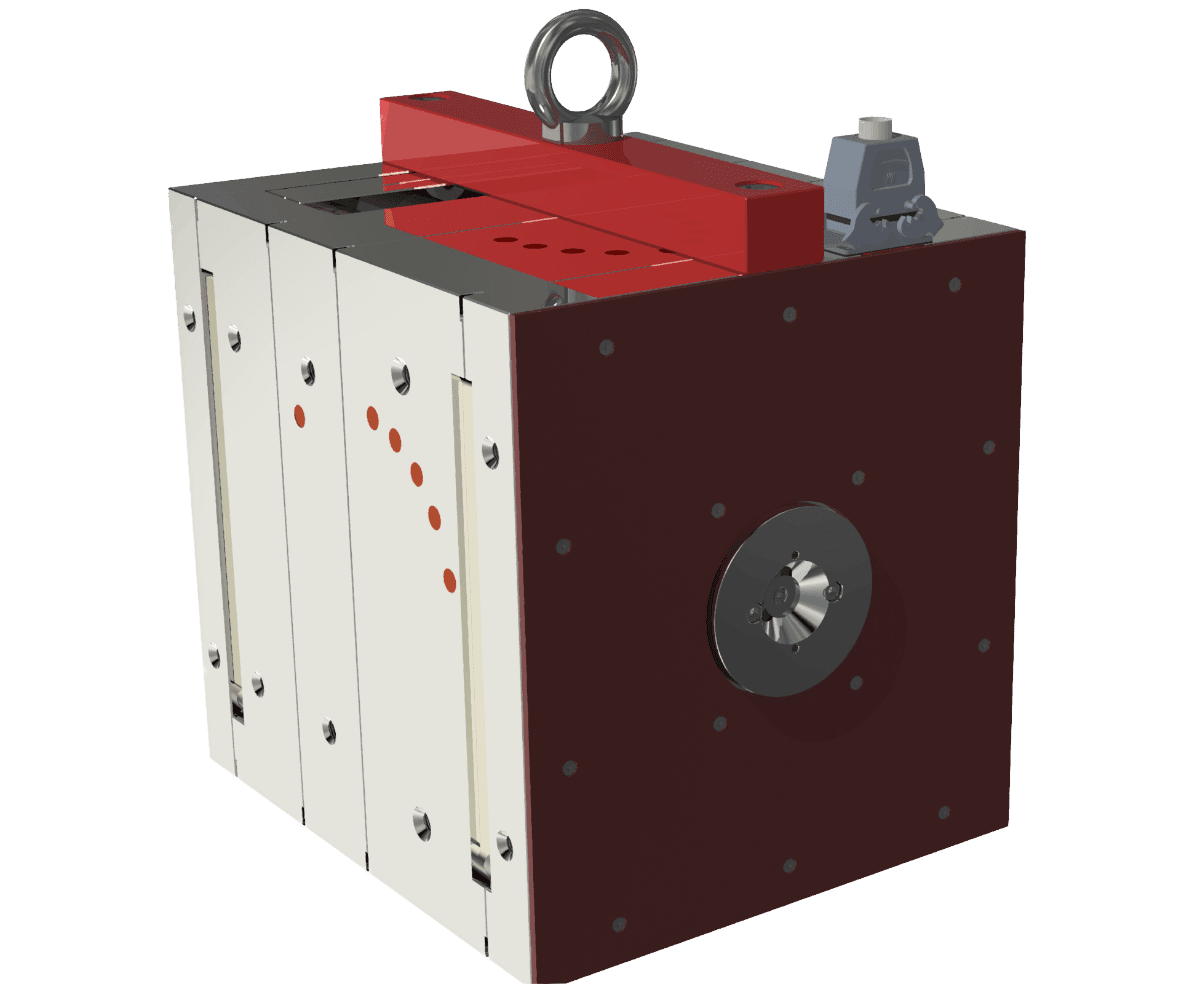
Over 20 years
Of experience in tooling manufacture
CAD / CAM / CAE
3D models and engineering preparation
In-house production
Design informed by manufacture, assembly and operation
Mold design capabilities
The tooling design depends on the process, part material and the equipment on which the mold will operate.
Plastic injection molding
Single-cavity and multi-cavity designs with hot or cold runner systems. We develop the parting arrangement, cooling, ejection, side actions and hydraulic cylinders according to the project.
Plastic injection moldingTwo-component molds (2K)
Mold designs for parts made from two components. We account for the molding sequence, part geometry and the requirements of the injection molding equipment.
Compression molding
Tooling for thermosets, composites and rubber. We consider temperature, press force, material loading and part removal.
Compression moldingMIM technology
Molds for metal injection molding. We account for part geometry, material properties and process shrinkage during subsequent debinding and sintering.
MIM manufacturingAluminum casting
We assess mold design against the project specification. Design decisions account for the casting process, equipment parameters and requirements for the finished parts.
What our design bureau develops
We translate part requirements into tooling that can be manufactured, assembled and maintained.
Design for manufacturability
We review the part’s 3D model and drawings, identify features that affect the mold and propose geometry changes where needed to improve manufacturability.
- Wall thicknesses and transitions
- Draft angles
- Undercuts and parting arrangement
- Accuracy and surface requirements
- Material and planned production volume
- Manufacturing equipment parameters
Mold concept
We define cavity layout, parting planes, material feed, ejection, moving elements and guides. Cooling or temperature control is developed according to the process.
3D mold assembly
We create a three-dimensional assembly to review the layout and interaction of components. It supports design approval before production drawings are prepared.
Standard and purchased components
We select guides, ejection components, runner system components and mechanisms to suit the mold design and operating conditions.
Engineering documentation
We prepare assembly drawings, detail drawings and bills of materials. Documentation scope and formats are agreed according to the project requirements.
Design deliverables
A developed mold design ready for the agreed next step: manufacture or process planning. Depending on the scope, the work may include:
3D mold model
A three-dimensional assembly of the main units, mechanisms and tooling elements.
Assembly drawing
The mold structure and the relative arrangement of its components.
Detail drawings
Documentation for manufacturing individual tooling components.
Bill of materials
A list of parts, assemblies, standard items and purchased components.
Agreed engineering decisions
Design decisions approved by the customer within the project specification.
The exact deliverables, file formats and terms for handing over documentation are defined in the project specification and contract.
Five stages to an approved design
We agree on key decisions step by step before moving on to detail drawings and manufacture.
Review the specification
We receive the model, drawings or part information and clarify the material, production volume, part requirements and equipment parameters.
Result: Defined mold requirements.
Agree on the preliminary sketch
We develop initial solutions and recommendations for the part geometry, then agree on the preliminary sketch with the customer.
Result: An agreed basis for the mold design.
Develop the design and 3D model
We design the mold layout, mechanisms and required systems, and prepare the 3D assembly and assembly drawing.
Result: A 3D assembly and assembly drawing.
Customer design approval
We provide the agreed project materials, discuss engineering decisions and make the required adjustments.
Result: An approved mold design.
Prepare production documentation
We prepare detail drawings, bills of materials and lists of purchased components for manufacture.
Result: The agreed set of engineering documentation.
From mold to finished part
Examples of engineering work for parts with different geometries. Select a project to examine the mold and the finished part.
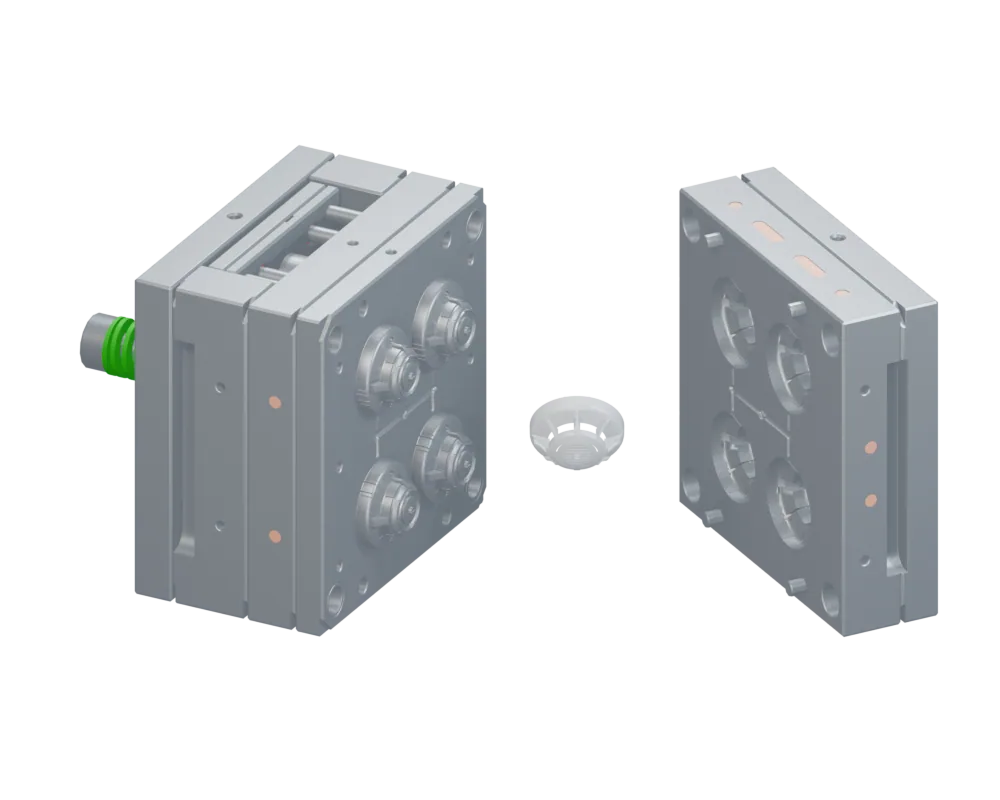
Drag sideways to rotate
A mold for a smoke detector chamber cover
A four-cavity mold for a thin-walled ABS part with complex internal geometry.
Designed around the part
The forming surfaces follow the ribs, openings and internal contour of the cover, so the mold was designed starting from the part model itself.
Four cavities
The cavities are arranged symmetrically so that material flow and molding conditions are the same for every part.
Ejecting a thin-walled part
Draft angles, the parting line and the layout of forming inserts were chosen so that the thin-ribbed part leaves the mold undamaged.
From design to manufacture
Our design bureau works alongside our tooling production team. Machining, assembly and future operation are considered during design development.
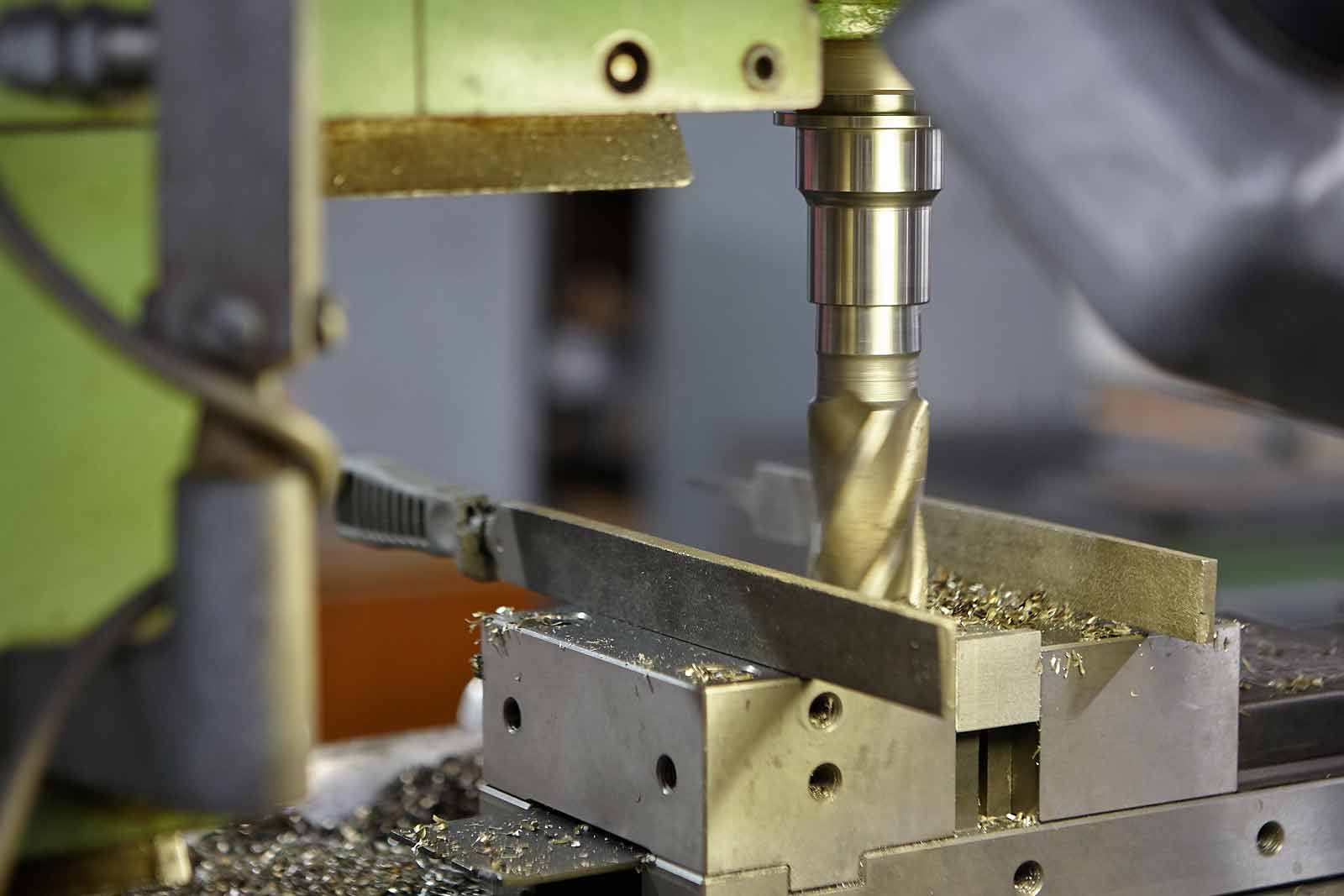
Practical manufacturing experience
We consider the capabilities of milling, turning, electrical discharge machining and grinding for mold components.
Approval before manufacture
Key design decisions are agreed with the customer before tooling production begins.
A complete production cycle
Where required, we manufacture, assemble and set up the mold. The possibility of trials on our own equipment is assessed for each project.
Frequently asked questions
What information is needed for mold design?
Ideally, provide a 3D model or part drawings, material, planned production volume, technical requirements and equipment specifications. Missing details can be clarified during the technical review.
Can you start with only a physical sample?
We assess work from a sample individually. Before design begins, we need sufficient information about the part geometry, material and technical requirements.
Do you account for the customer’s equipment?
Yes. We consider injection molding or press machine specifications that affect the tooling design, layout and compatibility.
Can design and manufacture be ordered together?
Yes. Our in-house tooling workshop can handle the work from engineering development to tooling manufacture. Setup and trial conditions are agreed for each project.
What documentation does the customer receive?
The work may include a 3D model, assembly drawing, detail drawings and bills of materials. The exact scope, file formats and handover terms are defined in the specification and contract.
What determines the cost of mold design?
The mold type, part complexity, cavity count, moving mechanisms, process requirements and documentation scope. We prepare a quote after reviewing the initial information.
Let’s discuss your mold design
Send a 3D model, drawings or a specification for an initial review and quote. Our specialists will contact you to clarify the engineering details.
Information that helps us review your request
- Part purpose and requirements
- Part material
- Planned production volume
- Manufacturing process
- Equipment specifications, if available
- 3D model, drawings or project specification
Mold design request
Sales department